Why HSQ Negative Resist Is the Preferred Choice for High-Resolution Electron Beam Lithography?
Mar 18, 2026
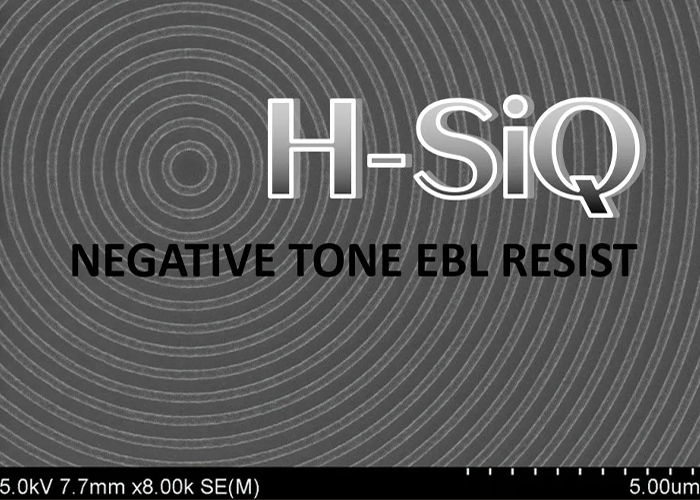
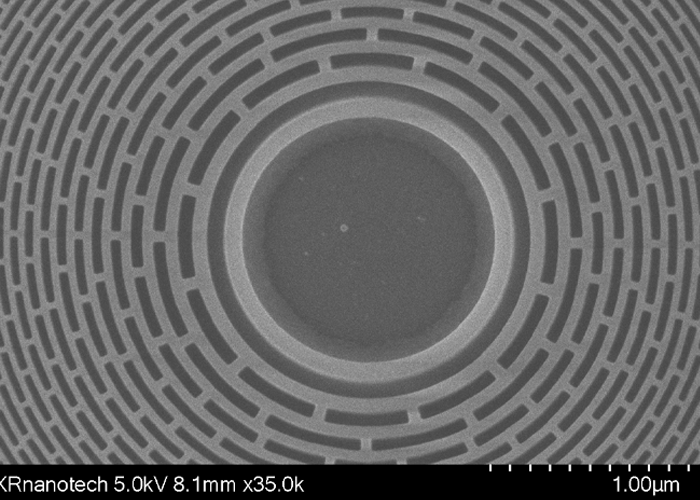
Hydrogen Silsesquioxane (HSQ) electron-beam resist is a high-quality glass-like coating used in microchip making to create tiny patterns smaller than 10 nanometers. It is a silicon-based material that starts as a liquid. When a beam of electrons hits the surface, it triggers a chemical change that turns the material into a hard, solid layer similar to quartz glass. This change provides the strength and tiny size needed to build the world’s smallest electronic parts and advanced computer hardware.
In the race to build smaller and faster electronics, hydrogen silsesquioxane EBL resist has become the top choice for creating perfect, tiny shapes. Standard plastic-based coatings often fail when things get smaller than 10 nanometers. They might swell up or fall over during the cleaning process. Because HSQ is made of inorganic materials, it stays stiff and strong even at a microscopic level. Its tiny molecular structure allows it to capture much finer details than traditional carbon-based options.
The main benefit of this material is how well it stands up to harsh chemicals. After the electron beam draws the pattern, the extra material is washed away. What remains is a hard mask that is almost exactly like pure glass. This glass-like layer allows engineers to carve deep, straight lines into materials like Silicon or Diamond without the edges blurring or wearing down.
Research shows that HSQ can regularly create gaps as small as 20 nanometers apart. It can even make single lines as thin as 6 nanometers. According to data from the National Nanotechnology Coordinated Infrastructure (NNCI), the quality of the hydrogen silsesquioxane EBL resist depends on the power of the electron beam. High-power machines help create the sharpest and deepest patterns for the most advanced technology.
Using hydrogen silsesquioxane electron-beam resist correctly requires a good understanding of how it reacts to its environment. At Dischem Inc., we know that HSQ is very sensitive to air and heat. The material begins to age or harden the moment it is left out. We suggest using very clean, temperature-controlled rooms. This keeps the liquid fresh so that every project turns out exactly the same way.
The washing or development step is also very important. While normal cleaning liquids work well, adding a bit of salt to the mixture is a secret for success. This salt-developer method makes the patterns much clearer and prevents the tiny lines from sticking together. This allows for more complex and crowded designs without causing errors in the final product.
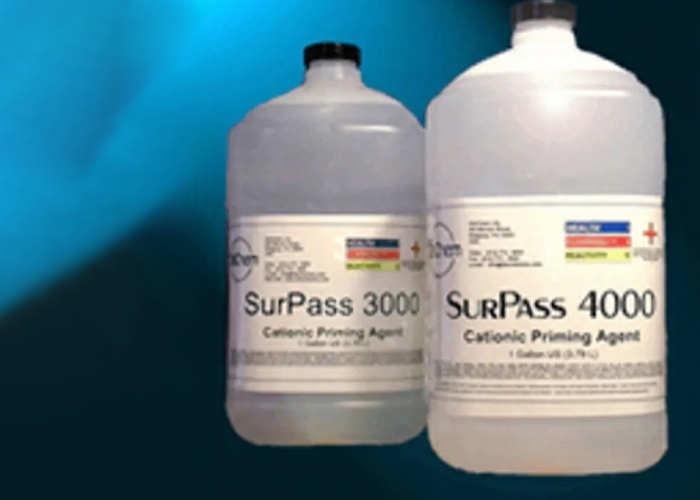
To help with your projects, Dischem Inc. offers other helpful items. These include high-purity cleaning solvents and the DisCharge coating, which stops static electricity from ruining your designs on glass-like surfaces. We also provide glues that help the resist stick better to the wafer. Buying all your supplies from one place helps prevent chemical reactions that could ruin your work.
Choosing hydrogen silsesquioxane electron-beam resist has many technical benefits, but there are practical things to consider. The biggest pro is that it saves time. Usually, you have to add an extra layer of metal or glass to protect your design during carving. Since HSQ turns into glass on its own, you can skip those extra steps. This saves hours of work and lowers the cost of labor.
On the downside, the liquid itself is more expensive than basic plastic resists. Also, because it is so sensitive, it must be stored in a fridge. If it gets too warm or old, it might not work correctly. This could mean you have to clean your wafer and start over, which wastes money and time. At Dischem Inc., we use special shipping and strict testing to make sure every bottle arrives in perfect condition.
Even though it costs more upfront, you save money in the long run because it is so accurate. Better accuracy means fewer broken parts and better performance for high-end electronics. For teams working on the newest inventions, the reliability of HSQ is worth the extra care. It is a smart investment for any project where every nanometer counts.
Hydrogen Silsesquioxane stands out as a game-changing material for anyone building tiny technology. By turning from a liquid into a hard glass mask, it allows us to build things that were impossible just a few years ago. While it needs to be handled with care and kept cold, the results are much better than any other option. For anyone trying to reach the sub-10 nanometer goal, HSQ is the most trusted tool available. Dischem Inc. is here to provide the materials and the help you need to succeed.
1. What is the main benefit of HSQ over PMMA?
The main benefit is strength and detail. While PMMA is a great general-purpose tool, it is not as strong as HSQ. Hydrogen silsesquioxane electron-beam resist turns into a hard glass mask. This allows you to carve deeper and sharper shapes into your material without the design losing its shape or blurring at the edges.
2. How should Hydrogen Silsesquioxane EBL resist be stored?
HSQ must be kept in a special fridge between $4^\circ C$ and $10^\circ C$. According to safety guides from PubChem, heat and moisture make the material clump together and harden. If it is not kept cold, it might go bad, causing the coating to be uneven or lumpy when you try to use it.
3. Can HSQ be cleaned off after the carving is done?
Yes. Since the hardened HSQ is like glass, it can be removed with a liquid called Buffered Oxide Etch (BOE) or a very thin acid. If your base material is sensitive to acid, you can use a dry cleaning method or add a temporary “buffer” layer to make sure the resist comes off easily without damaging your work.
4. What causes the proximity effect when using HSQ?
This happens when electrons bounce off the bottom of your wafer and hit the resist in the wrong spots. Because hydrogen silsesquioxane electron-beam resist is so sensitive, these bouncing electrons can make your lines look thicker than they should be. This is usually fixed using special software that adjusts the beam’s power.
Call Us Today +1 (814) 772-6603 or email us at info@discheminc.com to book your appointment today.
Mar 18, 2026
Feb 20, 2026