Why HSQ Negative Resist Is the Preferred Choice for High-Resolution Electron Beam Lithography?
Mar 18, 2026
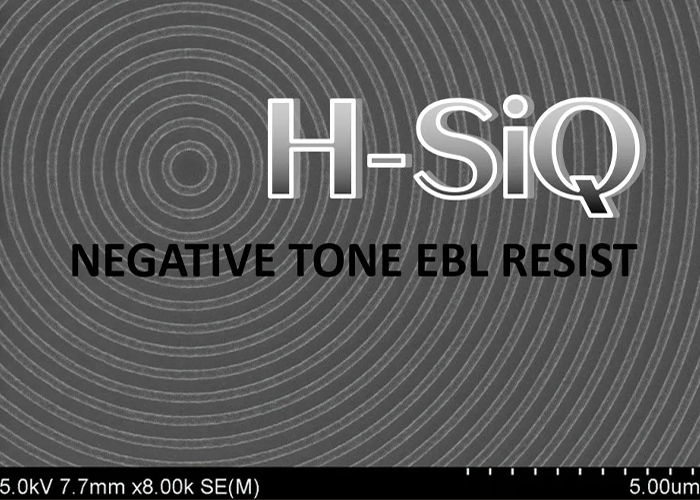
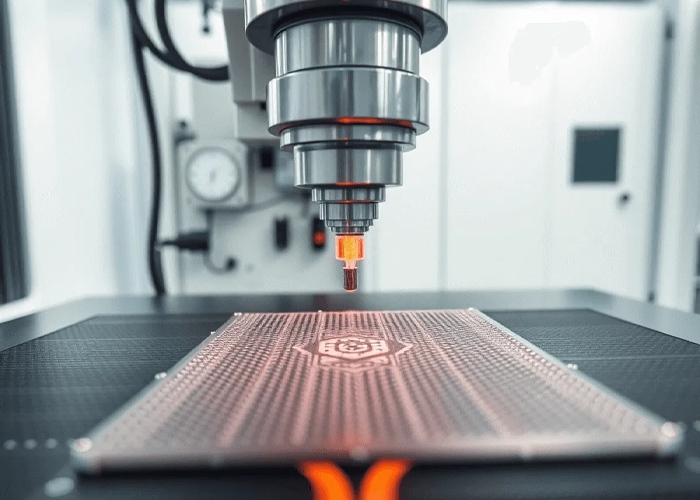
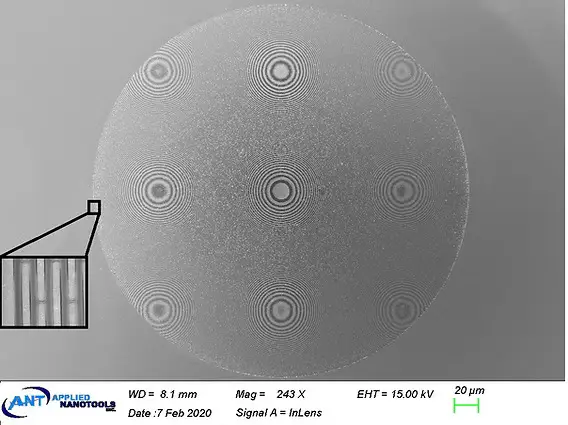
Hydrogen Silsesquioxane, commonly known as HSQ negative resist, is a special glass-like liquid used in technology to create tiny patterns on computer chips. It is the top choice for high-resolution electron beam lithography because it lets engineers draw lines thousands of times thinner than a human hair.
When hit by an electron beam, this liquid turns into a hard, protective layer of glass. This unique ability to create very fine details while staying strong against harsh chemicals makes it the best tool for building modern quantum computers and advanced electronic parts.
Using the right materials in a workspace can have a big impact on your budget and timeline. One of the main benefits of HSQ negative resist is that it can stay on the chip forever. In many other processes, you have to add metal, wash it off, and clean the surface multiple times. This takes a lot of time and can lead to mistakes. Because HSQ turns into a stable, glass-like layer, it often stays on the device as a permanent part of the chip. This cuts down on the number of steps you need, which lowers labor costs and saves time.
However, there are a few things to keep in mind. HSQ negative resist needs a lot of energy from the electron beam to work. This means the machine has to spend more time drawing each pattern compared to other faster liquids. While this makes the machine run longer, the high success rate and accuracy often save money in the long run by preventing ruined batches. According to standards from the National Institute of Standards and Technology (NIST), being accurate is the best way to reduce waste in chip research. By using high-quality materials from Dischem Inc., labs can get the same great results every time.
Before starting any work, reading the HSQ resist datasheet is vital for setting up your tools correctly. This document is like an instruction manual. It tells you how fast to spin the liquid to get the right thickness and how much heat to use. Most HSQ solutions use a liquid called MIBK, and the datasheet will list the exact amount. If you use the wrong settings, the material might peel off or fail to show the tiny details you need.
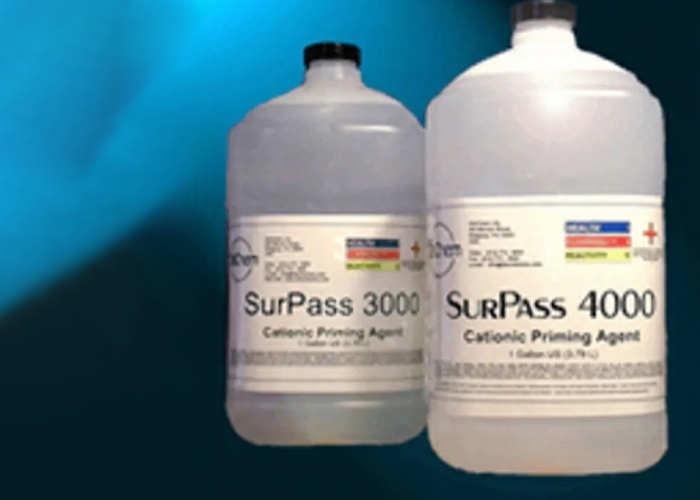
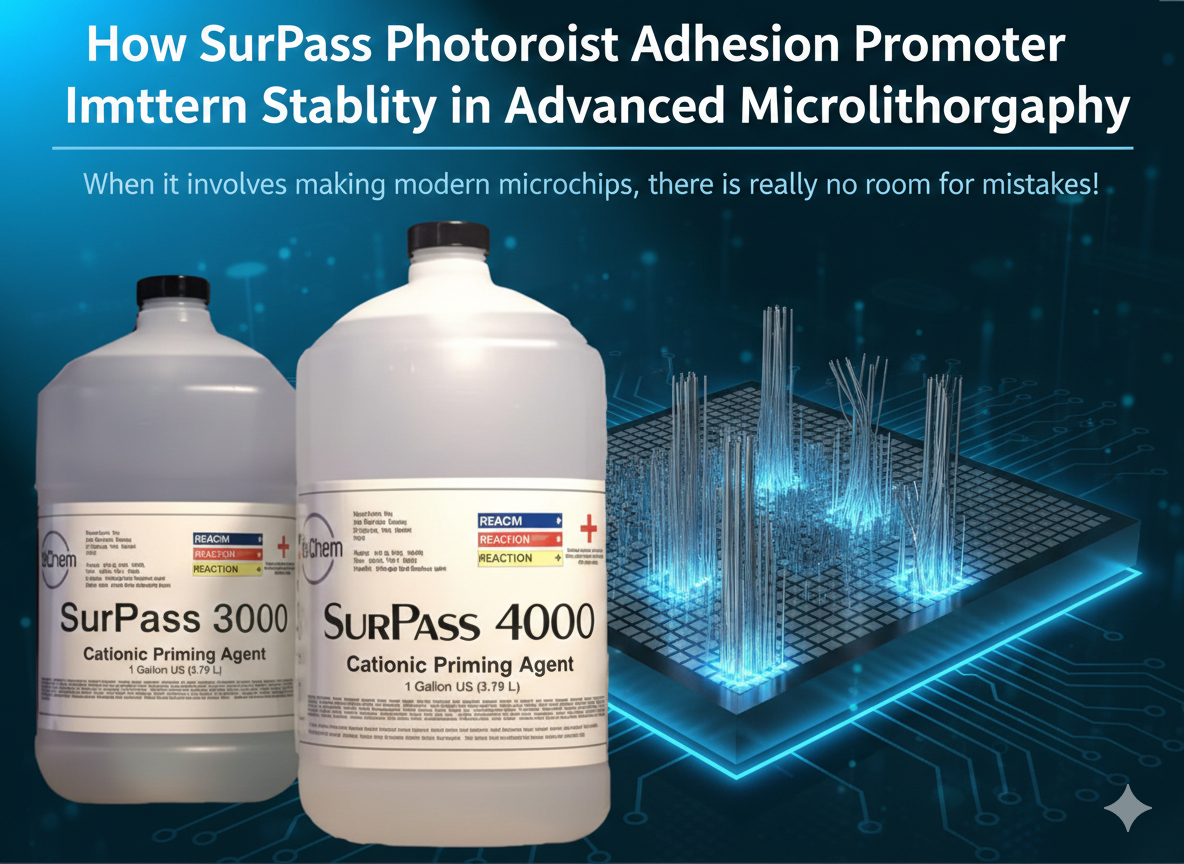
At Dischem Inc., we provide clear data for all our products. This includes our adhesion promoters and special cleaning liquids, which help HSQ stick perfectly to your surfaces. It is also important to know that HSQ is very sensitive. Because it reacts to moisture in the air, it must be kept in a refrigerator. Following the HSQ resist datasheet storage rules stops the chemicals from spoiling early. Research from the SPIE Digital Library shows that keeping the temperature steady is the most important part of keeping these materials in good shape.
Choosing HSQ negative resist means weighing its high performance against its special needs. On the plus side, it is a “negative” material. This means whatever the beam touches stays on the chip, which is perfect for building tiny towers or separate lines. It is also much tougher than plastic-based materials. When you use gases to carve into your chip, the HSQ keeps its shape perfectly. This leads to sharper and more reliable devices.
On the downside, the process can be tricky for beginners. It requires very specific chemicals to wash away the extra liquid after the beam is finished. Also, if the area is not clean and dry, small dust bits can ruin the pattern. To help, Dischem Inc. offers various cleanroom-grade chemicals and surface treatments to prepare your surfaces and stop mistakes. By using these services together, teams can learn how to use HSQ faster and focus on their new inventions.
To sum up, HSQ negative resist is a key tool for anyone making the smallest technology possible. While it takes more time under the beam and needs careful storage, its ability to create tiny features and stay on the chip as a permanent part makes it a very smart choice for research. By following the tips in the HSQ resist datasheet and using high-quality chemicals from Dischem Inc., engineers can get the perfect results needed for future electronics.
1. What is the shelf life of HSQ negative resist?
When kept in a fridge between $0^{\circ}C$ and $5^{\circ}C$, HSQ usually lasts for six months. However, once the bottle is open, air can make it go bad faster. It is best to buy smaller amounts that you can use quickly to ensure the best quality.
2. Can I use standard cleaners with HSQ?
Standard cleaners work, but many experts prefer “salty” mixtures. These special liquids help create much sharper edges and even smaller features than regular cleaning chemicals.
3. Is HSQ safe for all types of surfaces?
HSQ is safe for silicon and most other common materials used in chips. However, because it can be slightly acidic before it hardens, you should check if it works well with very sensitive or soft films before starting.
4. Why is my HSQ resist peeling off?
Peeling usually happens because the surface wasn’t cleaned well enough. Using a “sticking agent” or a deep clean before adding the liquid can fix this. Dischem Inc. sells several cleaning solutions to help the material stay firmly in place.
5. How does HSQ affect the cost of a project?
Even though the machine runs longer, HSQ negative resist saves money because it doesn’t need to be washed off at the end. It stays on the chip as a permanent layer, which removes extra work steps and lowers the chance of errors.
Call Us Today +1 (814) 772-6603 or email us at info@discheminc.com to book your appointment today.
Mar 18, 2026
Feb 20, 2026