Can HSQ Resist Meet Today’s High-Resolution EBL Needs?
Sep 17, 2026
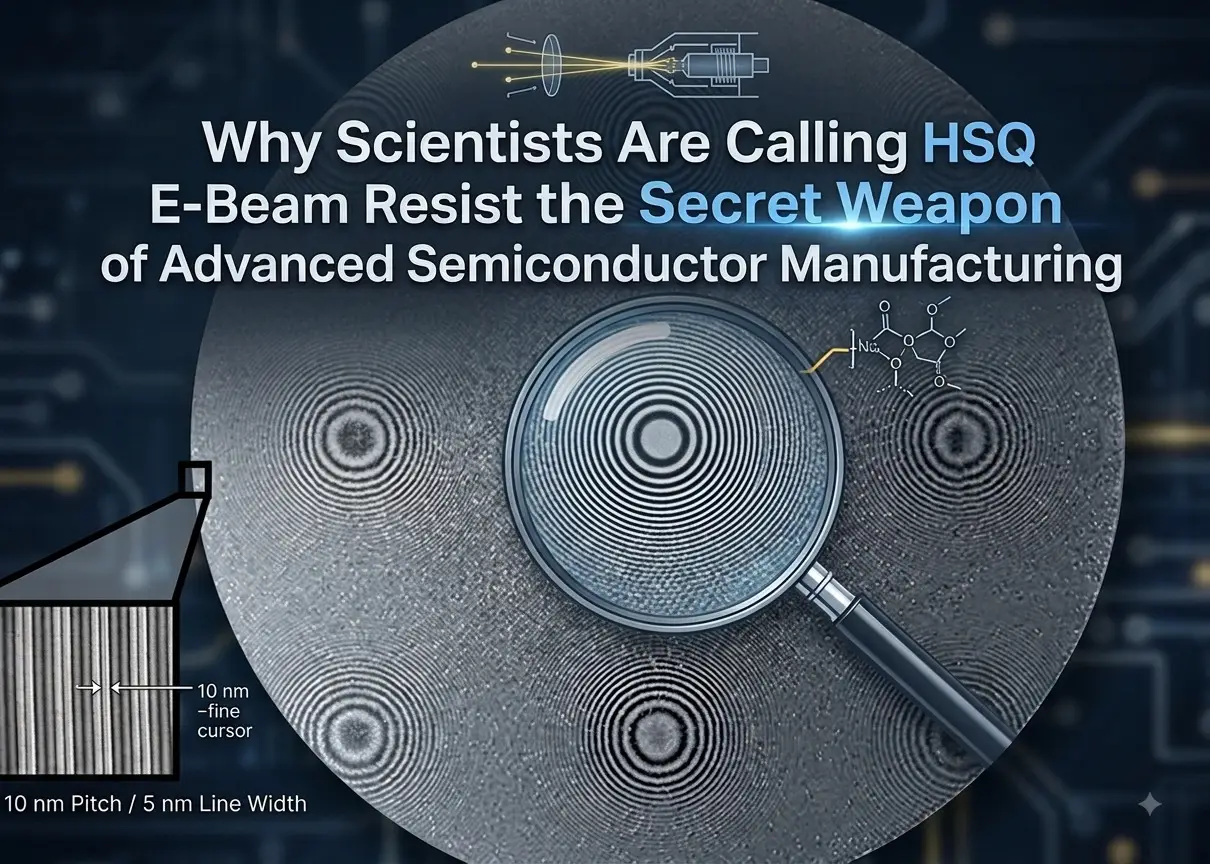
A hydrogen silsesquioxane EBL resist is a liquid chemical used to make tiny structures on computer chips. Often called HSQ, this liquid turns into hard glass when hit by an electron beam. This change helps engineers build parts that are smaller than 10 nm in size. This material works as a strong shield for etching, making it a key tool in creating advanced microchips, quantum computers, and optical devices.
Choosing a quality hydrogen silsesquioxane EBL resist brings great benefits to the chip-making process. First, HSQ offers amazing strength. Most plastic-based resists can swell or bend when they are washed. HSQ is different because it is made of silicon and oxygen. This means it acts like a tiny sheet of solid glass. A research study on ResearchGate shows that this strength helps scientists easily create clear gaps smaller than 10 nm.
Second, this glass layer protects your designs during the next steps. It holds up well against the strong gases used in plasma etching. Because it does not melt or wear away, it keeps the edges of your patterns perfectly sharp. This is very helpful when making tiny wires or light-guides for new high-tech devices.
Using a good hydrogen silsesquioxane electron-beam resist helps you save money and work faster in the lab. Usually, making a chip takes many steps. You have to put on a temporary coating, draw your pattern, etch it, add metal, and then wash the coating away. Each step can cause mistakes or waste time.
Since HSQ turns into tough silicon dioxide SiO2 glass, you can often leave it on the chip forever. Skipping the wash step means you use fewer chemicals and save hours of work.
Choosing a stable option like DisChem H-SiQ also saves your budget. Standard HSQ products can spoil and turn chunky very fast, which wastes money. DisChem’s liquid stays fresh for six months at 5 and nine months at 25. This means you waste far less product. Because of this high reliability, top labs like the University of Southampton rely on HSQ as a main tool for their fine work.
To get the best results, you need a steady process. DisChem H-SiQ comes mixed in a carrier liquid called MIBK. It is sold in different strengths from 1% to 30%. This variety lets you create thin films from 10 nm up to a few hundred nanometers thick.
First, put the liquid onto a clean wafer. Spin it at speeds between 1000 to 6000 rpm to make sure the film is perfectly flat. Next, bake it on a hotplate at 12 C for 2 minutes. This gently dries out the carrier liquid without hardening the resist too early.
After you expose it to the electron beam, the wafer is ready to be washed. Keeping these steps simple and exact ensures your final shapes match your original plans.
To keep your yields high, DisChem offers other helpful tools that work with our H-SiQ resist. HSQ works great on silicon, but other materials like sapphire can be tricky. Tiny features can slide or peel off during washing. To stop this, we suggest using DisChem SurPass 3000. This product primes the surface so that the glass structures stick tightly to your wafer.
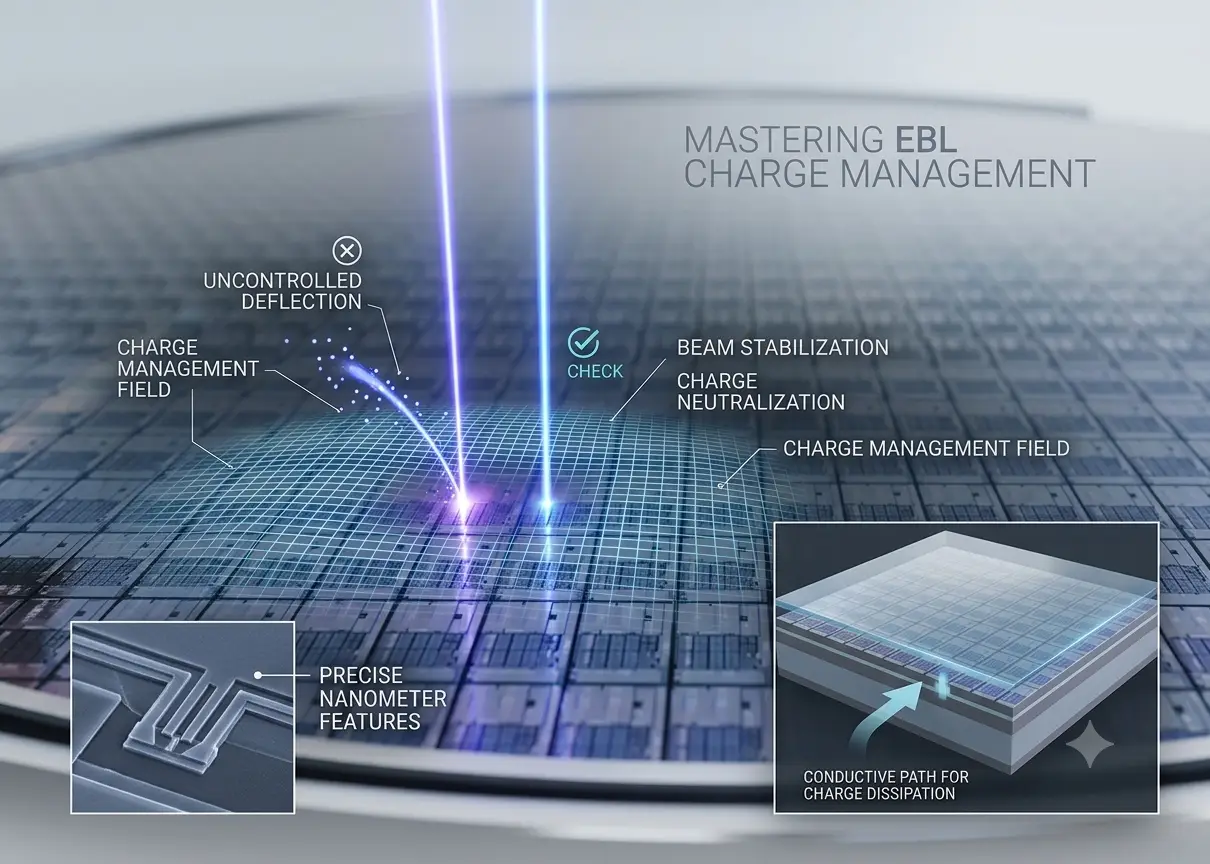
Also, some surfaces can build up static electricity under the electron beam. This static can ruin your patterns. To fix this, we offer DisCharge H2O. This is a simple, water-soluble coating that stops static.
Adding this layer before you draw your patterns keeps your designs in the exact right spot. Using these products together helps you avoid mistakes, save materials, and get perfect results.
In short, hydrogen silsesquioxane is a key tool for making tiny tech. Its great strength and resistance to etching save you time and money. By combining H-SiQ with DisChem’s other surface coatings, your team can get great results and protect your budget from waste.
Ready to enhance your lithography yields with authentic, high-purity chemical formulations? Contact our technical team today to discuss your project requirements or to request a quote.
The main benefit is great strength and finer detail. While PMMA is a soft plastic, HSQ turns into hard glass under the beam. This helps you make smaller, sharper patterns below 10nm that do not break during harsh etching steps.
The most common developer for this resist in water. Some processes also use a mix of sodium hydroxide and salt. These liquids wash away the unexposed parts, leaving only the hard glass shapes on your wafer surface.
Keep the resist in a tight bottle in the freezer. DisChem H-SiQ stays fresh for six months at 5 and nine months at 25. Keeping the temperature steady is the best way to prevent the liquid from turning chunky.
Since cured HSQ is like glass, you can wash it away with a Buffered Oxide Etch or hydrofluoric acid. If your wafer is sensitive to acid, you can use dry plasma etching to safely clear the glass.