Can HSQ Resist Meet Today’s High-Resolution EBL Needs?
Sep 17, 2026
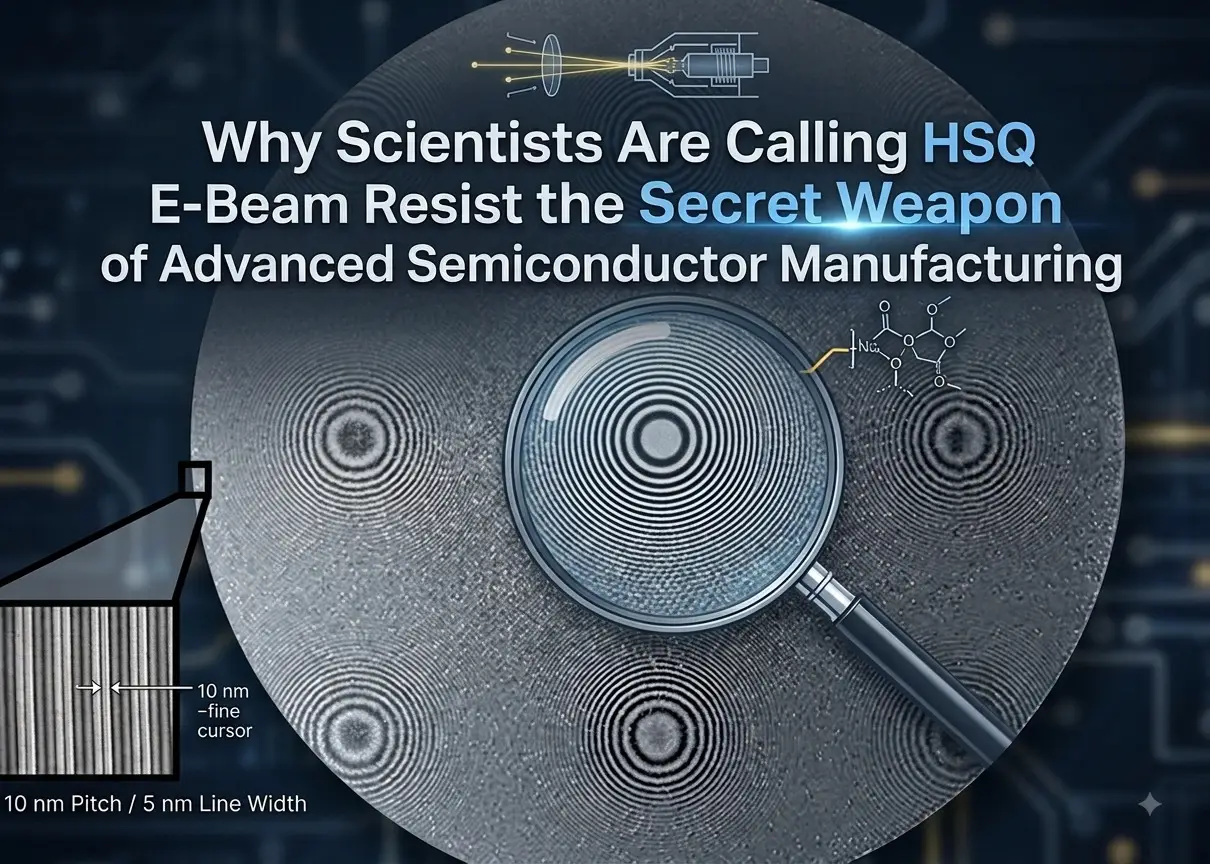
Scientists call HSQ e-beam resist a secret weapon for chip making because it prints tiny lines. It can print patterns thinner than 10 nanometers with great care. This liquid material is based on silicon. It turns into strong, pure glass when an electron beam hits it. This quick change keeps tiny paths from bending or falling. It is the best tool for making modern computer chips.
Using HSQ resist has clear perks that save labs time and money. This material turns into tough glass during use. It stands up to harsh cleaning gases much better than old plastic materials. This stops ruined batches. Even better, this glass can stay on the chip as a clean shield. You do not need to wash it off with harsh chemicals. This saves hours of work and cuts down on material costs.
A clean source like Wikipedia shows that this liquid is very sensitive to air. You must handle it with care to keep it fresh. Balancing these perks helps labs stay on budget.
In the past, the main issue with using an inorganic HSQ e-beam resist was its short shelf life. Old mixes would spoil quickly in heat or wet air. This caused wasted money and lost research hours. In fact, a study by the National Institute of Standards and Technology (NIST) shows that keeping these liquids stable was once a big hurdle.
DisChem solves this issue with H-SiQ. This is a very stable version that lasts a long time without spoiling. It is ready to use in different strengths so you do not have to dilute it. To protect your mix, just store it in -5 degrees Celsius for a shelf life of approximately 6 month, or in liquid nitrogen for at least two years. This simple step stops the liquid from turning into gel. It saves you from buying costly replacement batches.
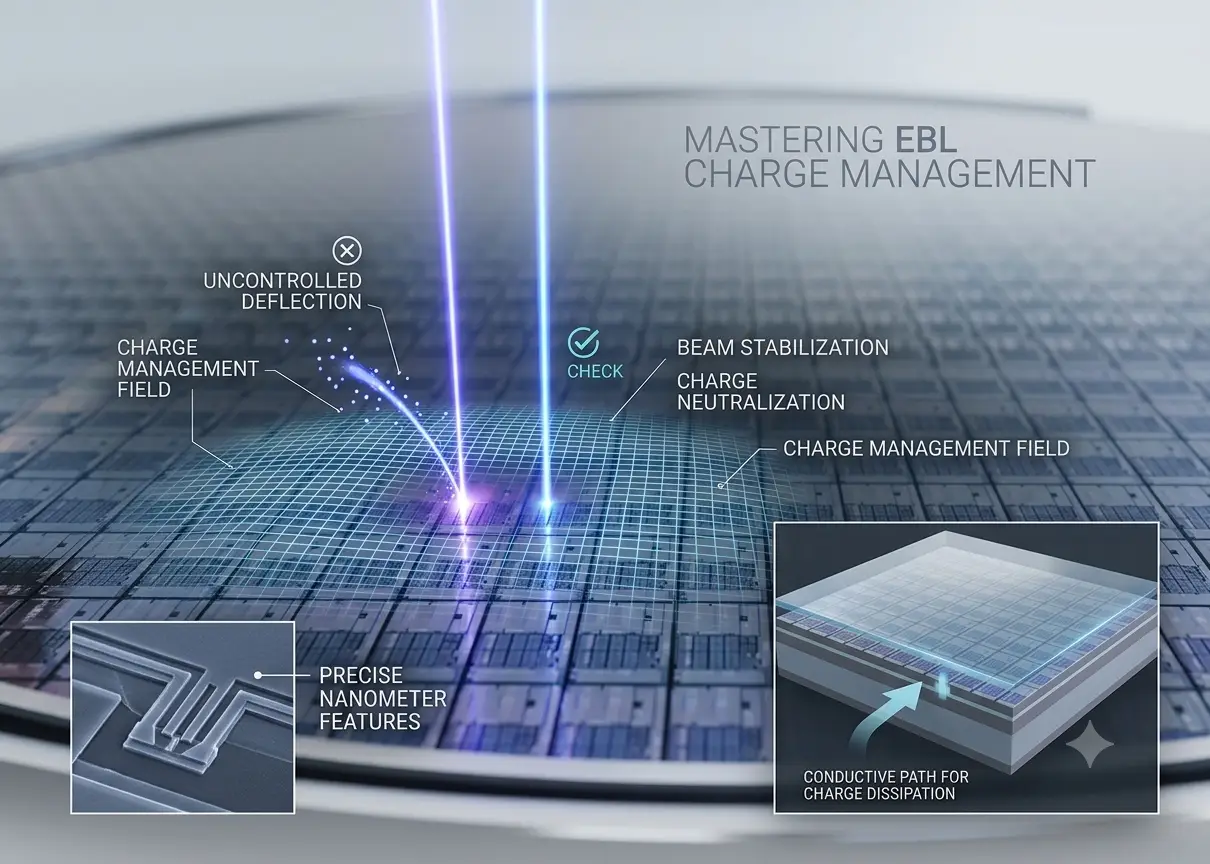
To get the best results from your HSQ e-beam resist process, look at the whole chip coating cycle. Even great resists can fail if they do not stick to the chip. Static charges can also build up during printing. Bad sticking makes tiny lines lift off, which wastes time and costly chemicals.
You can pair your resist with other fine DisChem products to fix this. For example, using DisChem’s SurPass product first helps the liquid stick well to glass or silicon surfaces. Also, when printing on insulating bases that trap static, DisChem’s DisCharge H2O agent stops charges from building up. This keeps the electron beam straight and ensures your lines are perfectly aligned.
Using HSQ resist is a smart choice for any modern chip lab. Its high strength and permanent glass layer save steps, time, and money. By pairing this strong resist with products like SurPass and DisCharge H2O, labs can make better chips with fewer mistakes.
At DisChem, we are committed to providing pure chemicals and smart solutions for modern chip labs. By working with top innovators, we offer high-grade materials that solve old printing issues.
To learn more about our stable H-SiQ product line, or to talk with our team about our SurPass and DisCharge services, please visit our website at https://discheminc.com/.
1. What is the main difference between HSQ resist and PMMA?
HSQ resist is a silicon glass material that stands up well to harsh etching. PMMA is a soft plastic material that washes away easily and cannot survive tough chemical cleanings. This makes the silicon version much stronger for printing tiny, detailed lines on modern microchips.
2. How does HSQ e beam resist improve chip manufacturing?
Using HSQ e beam resist lets makers print lines under 10 nanometers without them falling over. Because the glass layer can stay on the chip permanently as a shield, it cuts out many cleaning steps. This saves chip labs lots of time and money.
3. How should you store HSQ resist to keep it from turning to gel?
To stop this liquid from turning into a thick gel, you must store your HSQ resist in a dark bottle inside a standard fridge. Keep the temperature between 2 and 8 degrees Celsius. You must also limit its exposure to wet air and open heat.
4. What other chemicals can you use with HSQ e beam resist?
You can pair your HSQ e beam resist with SurPass to help it stick to silicon or glass. You can also use DisCharge H2O to stop static build-up. These products work together to keep your printed lines straight and prevent any errors.