Can HSQ Resist Meet Today’s High-Resolution EBL Needs?
Sep 17, 2026
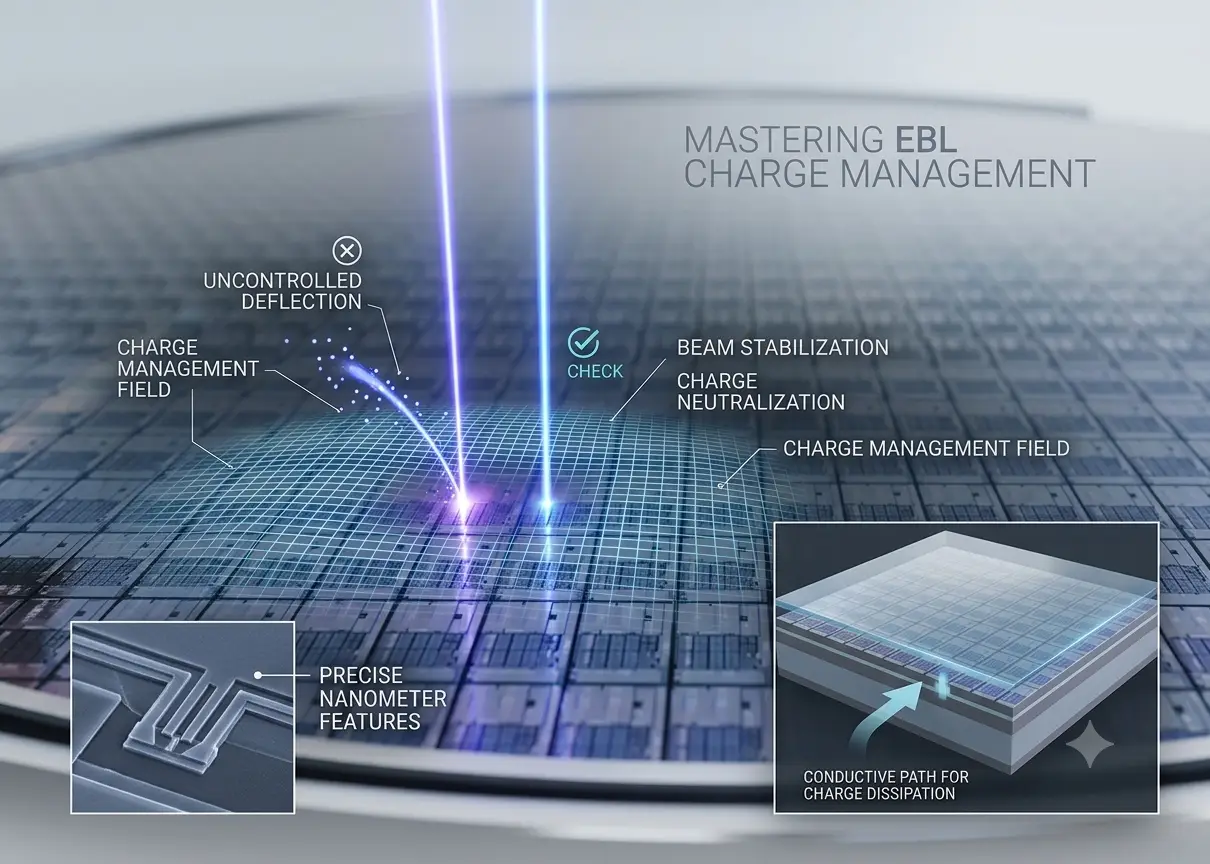
Managing static electricity during electron beam lithography is essential for keeping tiny patterns straight and accurate on non-conductive glass or quartz surfaces. Controlling Electron Beam Lithography Charge buildup matters because non-conductive materials trap incoming negative electrons, creating a static field that pushes the electron beam off target. Applying a simple, water-based conductive coating like DisCharge H2O gives trapped electrons a direct path to ground. This simple step stops beam bending, prevents pattern drift, and keeps fine shapes crisp without changing your resist exposure settings.
Modern nano-labs rely on sharp electron beams to make small sensors, light chips, and quantum devices. However, glass, quartz, and oxide wafers cannot carry electricity. As a result, incoming electrons build up on the top surface while drawing patterns. This trapped Electron Beam Lithography Charge creates a push-back force that bends incoming beams away, leading to shifted lines, bad pattern lining, and blurry edges.
Adding a simple anti-static top layer lets lab workers protect pattern accuracy without changing exposure settings. Independent tests at research places like the Singh Center for Nanotechnology show that water-based anti-static coatings completely stop static buildup. This protects delicate materials like soft PDMS plastic from surface cracks and keeps pattern shapes clear and sharp.
Getting exact line accuracy in EBL electron beam lithography requires a top coating that quickly drains static electricity while remaining safe for underlying resists. DisCharge H2O offers low electrical resistance and high clarity across popular resist materials including PMMA, HSQ, CSAR 62, ZEP 520A, SML, and mr-PosEBR. Public test data from the Duke Shared Materials Instrumentation Facility (Duke SMIF) confirms that one quick spin step creates a smooth coating that stops static accumulation on glass and oxide surfaces.
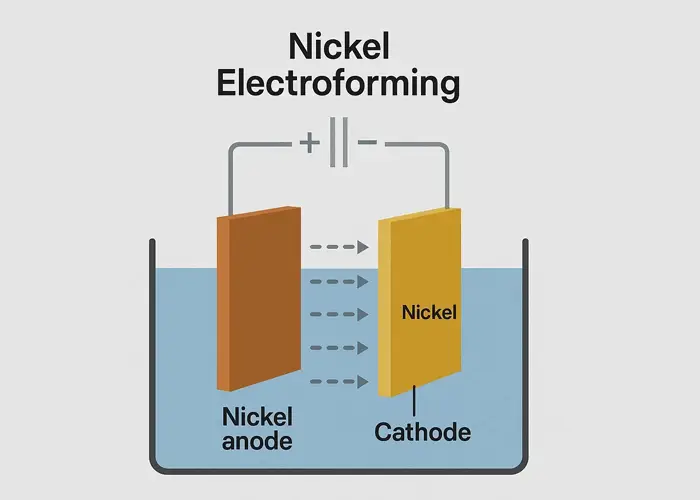
Beyond static control, DisChem offers a full lineup of cleanroom chemicals made to improve lab success across every production step. Engineers can pair anti-static coatings with SurPass surface modification chemistry to help resists stick better to smooth wafers, or use electronic-grade nickel sulfamate electroforming solutions to make ultra-precise metal molds. This complete chemical family helps labs run smoother workflows with dependable cleanroom products.
Using DisCharge H2O in your daily tool workflow is easy and needs no heat or baking steps. First, spin-coat and bake your chosen e-beam resist using your normal lab routine, then let the sample cool down to room temperature. Next, pour DisCharge H2O over the surface and spin it at 2000 to 4000 RPM for 30 to 60 seconds. The resulting smooth conductive layer stays active without any extra heat treatment.
Before starting your drawing run, place the sample on your tool stage and attach the grounding clip directly to the conductive top coat. This connection gives a direct path that drains trapped electrons away during long drawing runs. Once exposure finishes, wash away the coating using a quick 30 to 60 second rinse with pure water or isopropyl alcohol, followed by a nitrogen blow dry. The resist layer underneath stays clean and ready for development.
Controlling static buildup on non-conductive glass and quartz is key to getting sharp, straight shapes in electron beam lithography. Using a simple water-based coating like DisCharge H2O safely drains extra electrons, stops beam bending, and maintains clean line edges. With quick spin coating, easy water rinsing, and a long two-year shelf life, DisChem provides cleanroom teams with a dependable solution for high pattern accuracy.
DisChem Inc. manufactures specialized chemical solutions designed to improve precision and yield across semiconductor and nanofabrication workflows. Visit discheminc.com to learn more about our complete product line.
Surface charging happens when high-energy electrons hit non-conductive materials like glass or quartz. Because these surfaces cannot move electricity, trapped electrons build up on top. This static buildup creates an electric force that bends incoming electron beams and ruins pattern accuracy.
DisCharge H2O creates a thin conductive layer over your resist. During exposure, this layer carries trapped electrons across the surface to the EBL tool grounding clip. By constantly draining static electricity, it keeps the electron beam on target and prevents line bending during long exposure runs.
No. DisCharge H2O works without changing exposure doses or contrast for underlying resists. It is compatible with widely used positive and negative resists like PMMA, HSQ, CSAR 62, and ZEP 520A, and washes off cleanly with water without leaving any sticky chemical marks behind.
DisCharge H2O washes off after exposure using a quick 30 to 60 second rinse with pure water or isopropyl alcohol. The water-soluble layer dissolves completely without leaving organic marks. Once rinsed, blow the sample dry with nitrogen and proceed straight to resist development.
Yes. DisCharge H2O spreads easily over delicate surfaces like PDMS plastic, glass slides, and thick oxide layers. By safely draining away static electricity, it prevents sudden electric sparks that cause surface cracks and structural defects on soft or flexible materials.